Feb 16, 2025
4 minute read
𝗟𝗲𝗮𝗱𝗶𝗻𝗴 𝘁𝗵𝗲 𝗪𝗮𝘆 𝗶𝗻 𝘁𝗵𝗲 𝗔𝗴𝗲 𝗼𝗳 𝗔𝗜: 𝗔 𝗖𝗮𝗹𝗹 𝘁𝗼 𝗝𝗮𝗽𝗮𝗻𝗲𝘀𝗲 𝗟𝗲𝗮𝗱𝗲𝗿𝘀
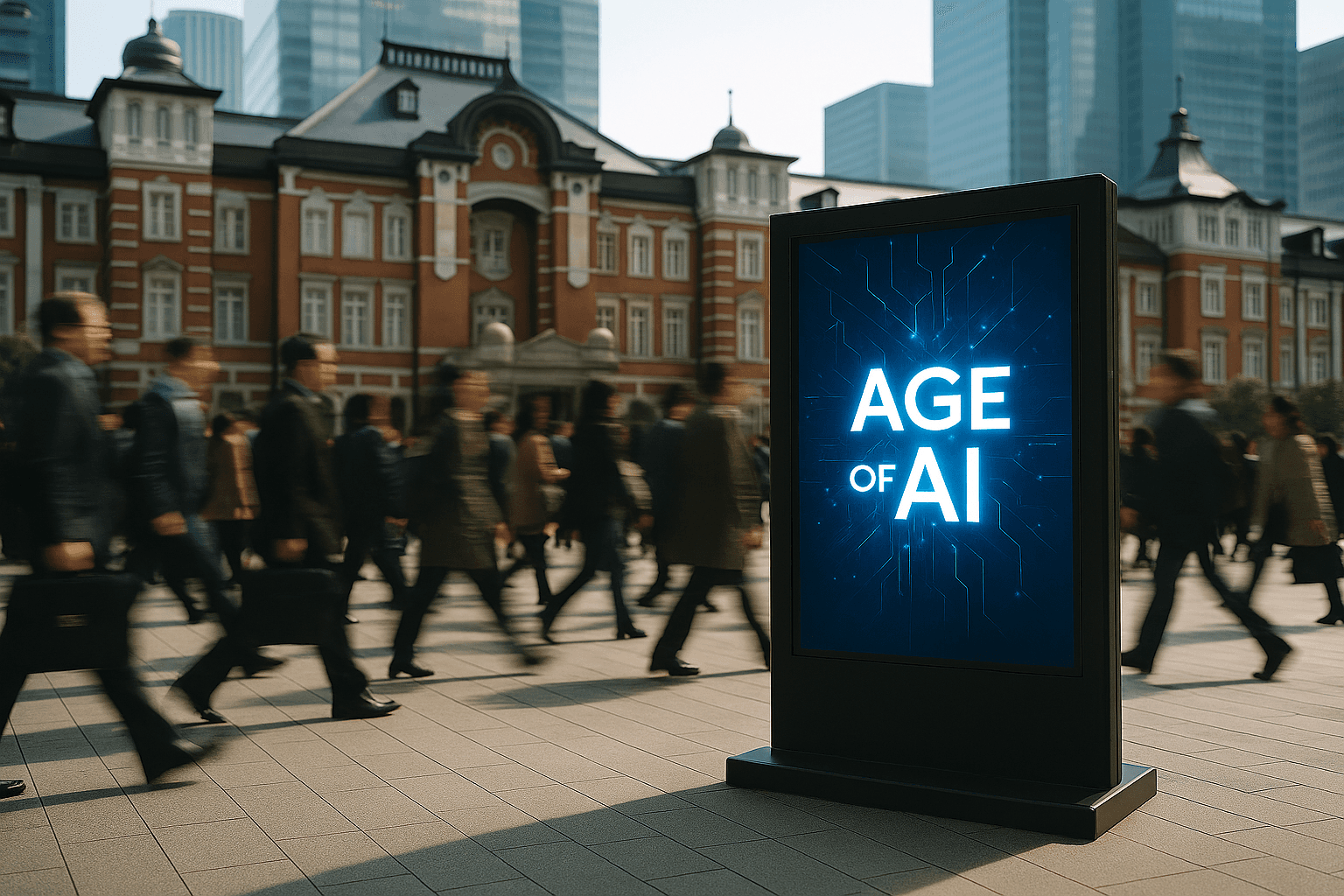
AI isn’t just automating tasks; it’s reshaping the role of leadership itself. This isn’t new information the narrative around AI and leadership has been evolving for years. The real question for Japanese leaders isn’t whether they understand the importance of AI but how they are integrating it into their leadership practices to stay ahead.
In today’s environment, the challenges of leading in an AI-driven workplace are well-known: the need for continuous learning, fostering innovation, and balancing human-centric skills with technological capabilities. What sets forward-thinking leaders apart is their ability to operationalize these principles. At Meshd, we’ve worked with organizations where leadership teams use AI not just for efficiency but as a tool for strategic decision-making, enhancing their ability to navigate complexity.
Key shifts in mindset embracing lifelong learning, encouraging experimentation, and prioritizing human skills are often discussed. Yet, what we’ve seen at Meshd is that success lies in action. Leaders who immerse themselves in AI tools, not as distant overseers but as active users create cultures where employees feel empowered to innovate. For example, a client leveraged AI analytics to identify and address team dynamics, improving collaboration across departments.
Foreign companies in Japan have been quick to adopt such approaches, using AI to enhance agility and engagement. Japanese companies are catching up, but there’s still a gap. The opportunity lies not in understanding AI, that’s a given, but in embedding it into leadership and decision-making processes in meaningful ways.
The age of AI calls for leaders who balance adaptability with empathy, using technology as a means to elevate human potential. At Meshd, we’ve seen how this balance transforms not just businesses but the people within them, creating workplaces that are both innovative and deeply human.
Share Article